

5 Ways Water Heater Electrification Is Changing Plumbers’ Projects
Stepping into a warm, soothing morning shower is one of life’s simplest daily pleasures. Behind that dependable stream of soothing water, modern household utility setups are quietly undergoing an exciting transformation. Exploring how clean electric upgrades reshape everyday home improvements helps homeowners understand how new technology delivers reliable comfort and great efficiency.
1. Coordinating Multi-Trade Skills on Modern Service Sites
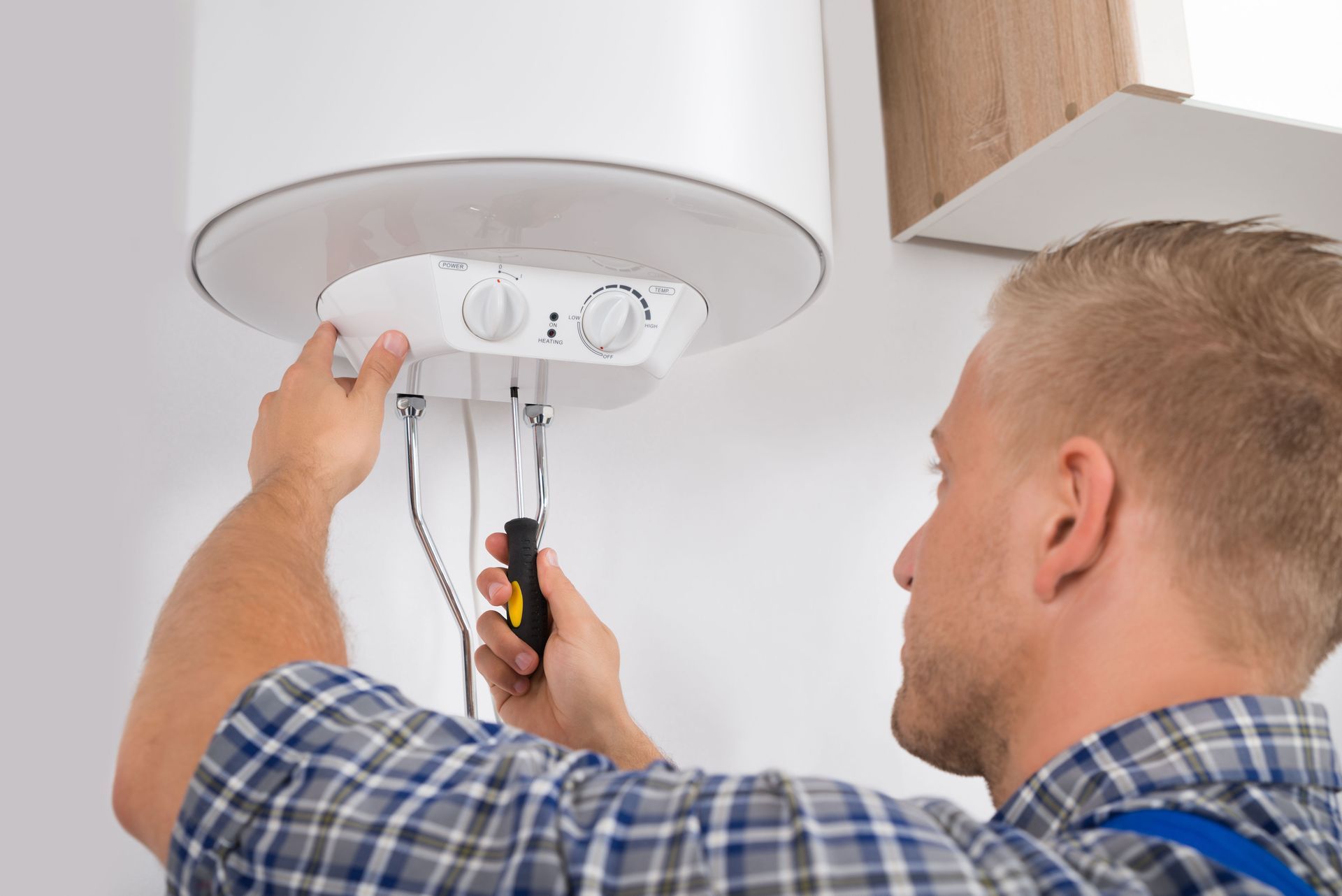
Traditional tank installations used to involve straightforward, single-trade pipe connections that followed familiar paths for decades. Swapping an older atmospheric fuel-burning heater for an advanced electric unit introduces fresh technical dynamics to the project workspace. Skilled installers now look closely at electrical main panels, circuit breaker loads, and dedicated wiring routes before placing equipment. Experienced plumbers collaborate seamlessly with certified electricians to verify that household power infrastructure supports new heating elements without triggering overloaded breaker switches during peak morning shower routines.
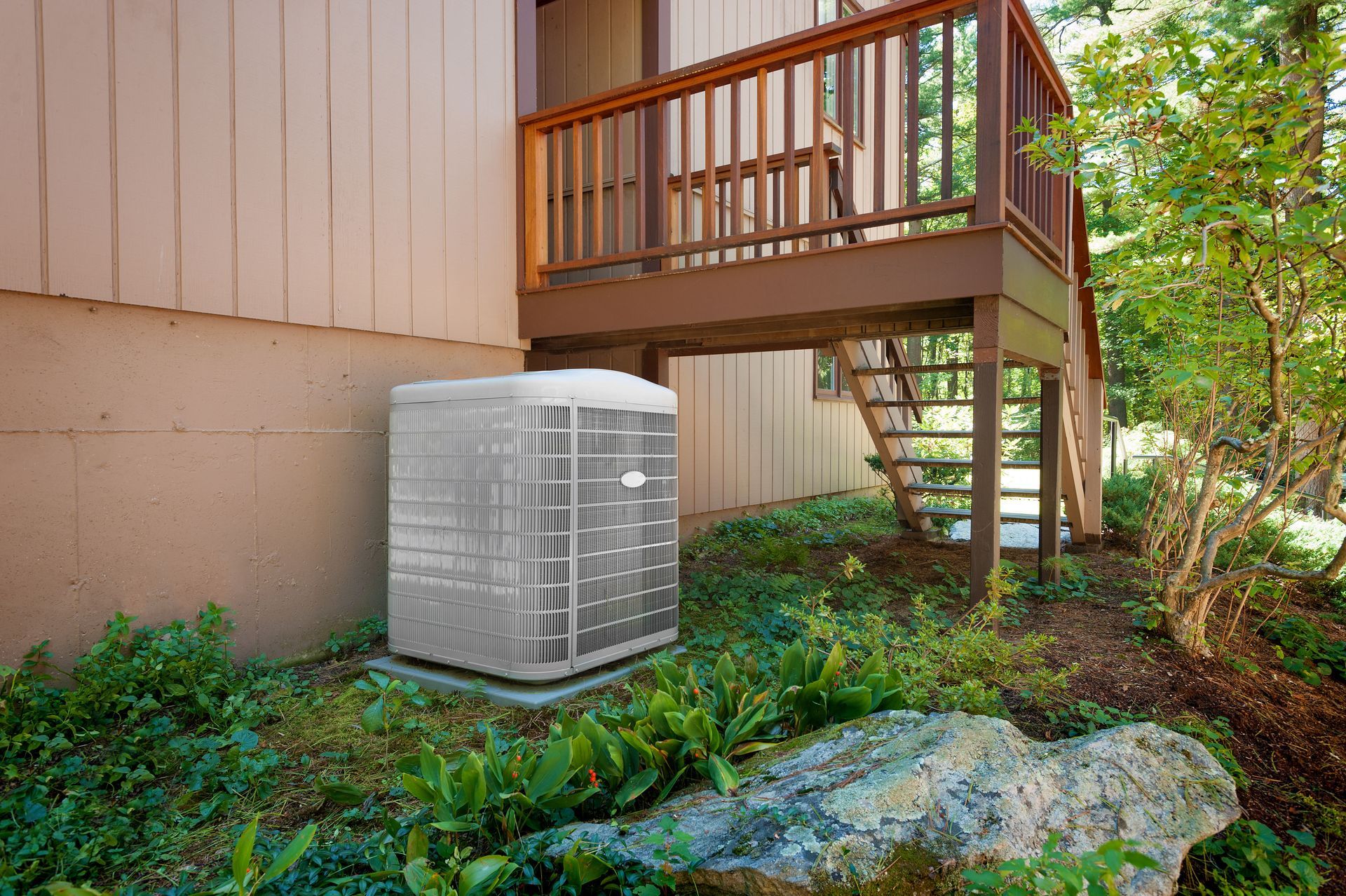
Beyond standard wire sizing, modern heat pump designs combine water movement with refrigeration and air circulation principles. These sophisticated hybrid units pull ambient warmth straight from surrounding room air to heat the domestic water supply. Managing this dual action requires technicians to understand how airflow patterns and condensate drain lines interact within mechanical spaces. Qualified professionals carefully map out water lines, drain pans, and air pathways, creating balanced utility rooms that operate smoothly, quietly, and effectively through every season.
Managing structural layout changes also requires thoughtful craftsmanship and proper physical planning. When homeowners transition away from older fuel lines, skilled trade crews cap inactive gas pipes safely and seal off obsolete metal exhaust flues through the roof. This careful trade coordination clears up valuable interior floor space while modernizing home mechanical rooms. Working with certified experts turns what could be an overwhelming project into a neat, stress-free update that elevates the overall safety and comfort of your home.
2. Adapting Equipment Placement to Optimize Room Airflow
Where a water heater lives inside a house now matters far more than it ever did in the past. Standard storage tanks could easily sit tucked away inside cramped, dark broom closets without much thought about surrounding air movement. Advanced hybrid electric water heaters require adequate open cubic space to draw in warm ambient air and discharge cooler dehumidified air properly. Qualified plumbers evaluate basement layouts, utility room volumes, and garage dimensions to find the absolute sweet spot where these innovative units can breathe freely.
According to Research Nester, the electric water heater market is expected to reach $47.6 billion by 2035, up from 28.9 billion in 2025. This steady expansion reflects a widespread shift toward energy-efficient, clean-powered equipment that transforms everyday mechanical rooms. When space is tight, modern installations often incorporate dedicated louvered doors or smooth ducting attachments that pull warmth from nearby warmer attic zones.
Condensation management represents another vital spatial consideration for clean electric heat pump installations. As these systems extract ambient warmth from the air, they naturally pull out airborne humidity, producing steady drops of moisture throughout the day. Installers route flexible drain tubes directly toward nearby sump pits, floor drains, or exterior walls, frequently adding automated condensation pumps where gravity drainage is unavailable. Dedicated drainage prevents pooling water, eliminates dampness, and protects home foundations from mold, leaving utility areas fresh, clean, and completely dry.
3. Selecting Advanced Machinery to Boost Energy Efficiency
Modern electric water heating equipment offers groundbreaking efficiency gains that help reduce monthly household utility expenses. Standard electric resistance elements get the job done, but modern hybrid heat pump units operate up to four times more efficiently by moving heat rather than creating it from scratch. Seasoned plumbers guide homeowners through these exciting equipment choices, calculating family hot water demand to match daily usage habits with properly sized storage capacities. This will allow you to run dishwashers, washing machines, and morning showers simultaneously without sudden cold-water surprises.
Smart digital controls on new electric units bring incredible operational flexibility right to your fingertips. Many advanced models feature digital touchscreens and smartphone connectivity that allow users to select energy-saving modes, schedule vacation shutoffs, or set heat cycles during off-peak electric rate hours. These digital interfaces also run continuous self-monitoring diagnostics that pinpoint small operating irregularities long before a complete mechanical hiccup happens.
High-efficiency equipment also protects personal budgets against shifting regional utility rates over the long run. Modern tanks feature ultra-thick foam insulation layers that drastically reduce standby heat loss, keeping stored water piping hot for hours without draining extra electricity. In addition, many utility providers and regional green energy programs offer attractive incentives and rebates for installing qualifying clean-energy heat pump equipment.
4. Upgrading Distribution Lines to Prevent Water Losses
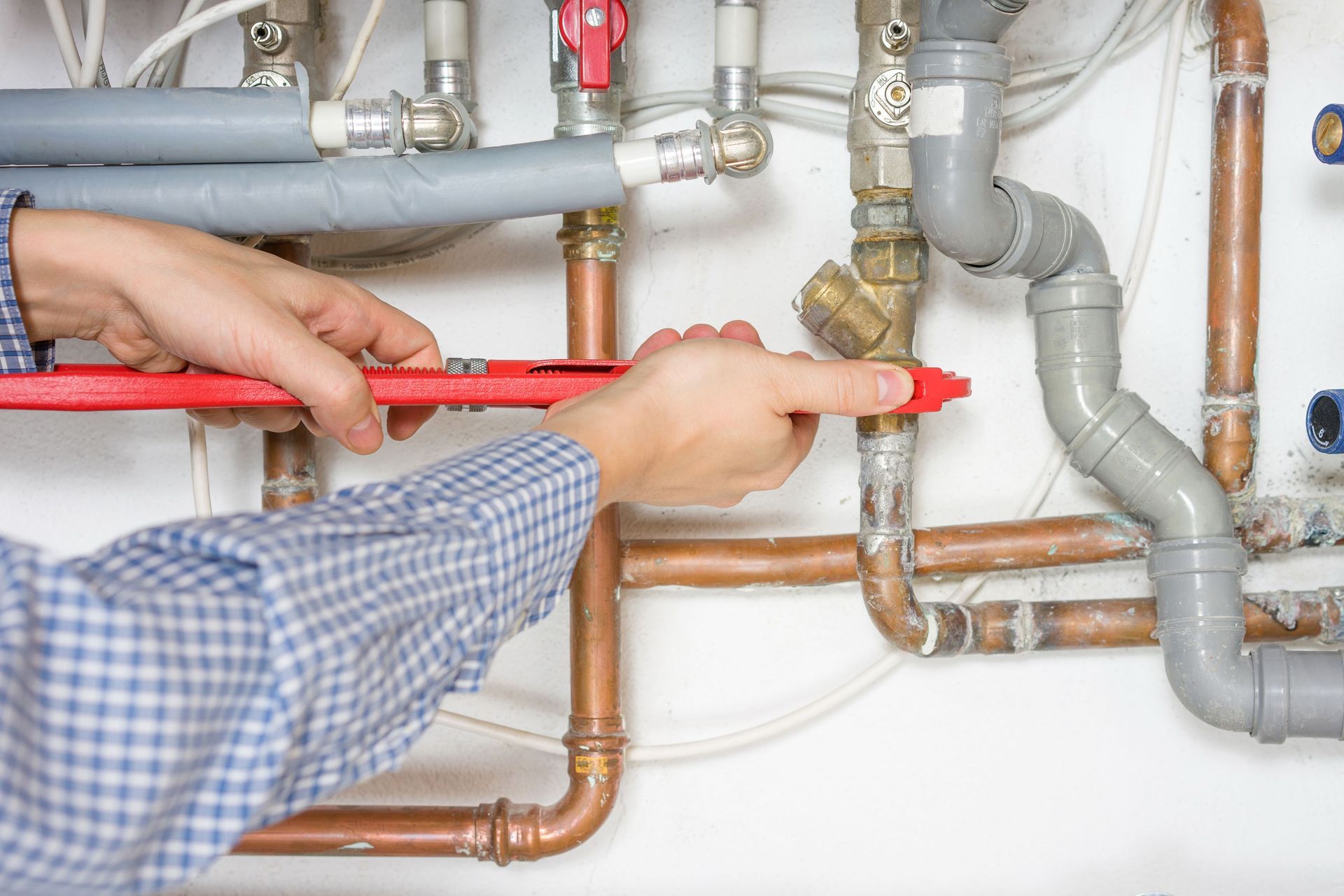
Upgrading to a modern electric water heating setup presents the ideal moment to assess the entire domestic hot water distribution network. Older copper and galvanized pipes often suffer from internal scale buildup, slow water flow, and significant heat loss as water journeys through cold crawl spaces. Knowledgeable plumbers inspect main supply feeds, replacing corroded fittings with smooth, flexible tubing that resists mineral deposits and minimizes friction loss. Refreshing aging supply pipes restores strong, invigorating water pressure across every bathroom faucet, shower head, and kitchen sink.
Thermal pipe insulation is another simple yet remarkably powerful improvement that complements electric water heater installations. Wrapping exposed hot water supply lines with thick, closed-cell foam sleeves traps heat inside the pipe between uses. This straightforward enhancement keeps hot water ready right behind the faucet, so you spend less time running water down the drain while waiting for it to warm up.
Installing automated thermostatic mixing valves at the heater outlet further enhances both family safety and functional hot water capacity. These clever valves blend cold water into the hot stream directly at the tank connection, allowing the water heater to store water at higher temperatures to prevent bacterial growth while delivering safe, comfortable water to taps. This balanced configuration effectively boosts the usable hot water volume of the tank without increasing scald risks for children or seniors, giving large families abundant hot water for back-to-back baths.
5. Implementing Proactive Maintenance for Long-Term Reliability
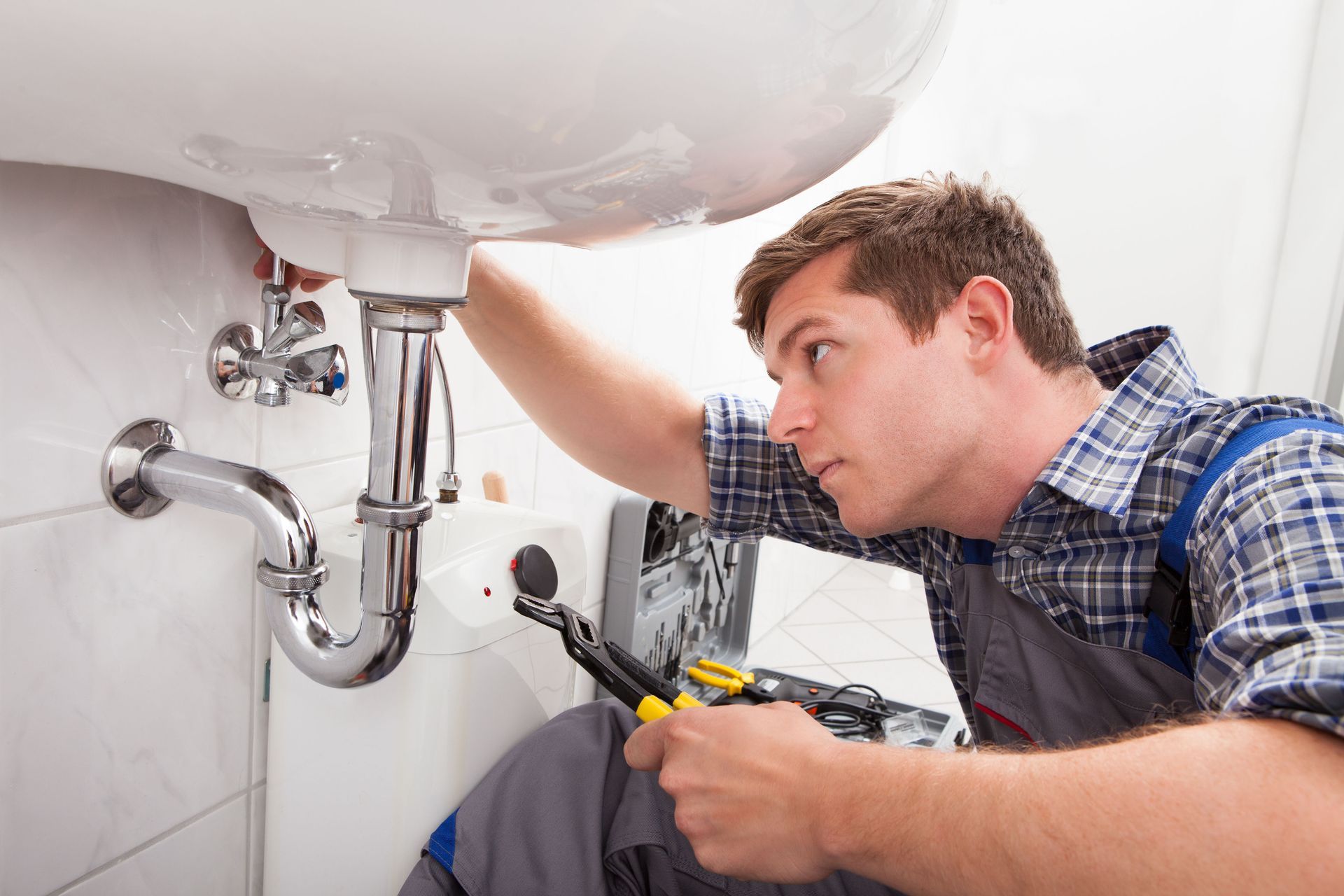
Keeping high-tech electric water heaters in prime condition requires attentive, regular preventive care from trained technicians. While modern electric systems eliminate fuel burners, pilot lights, and carbon monoxide vents, their advanced electrical circuits, heat pump compressors, and air filters still deserve seasonal checkups. Leading plumbers perform comprehensive multi-point wellness exams, checking heating elements, testing electric thermostats, and clearing out accumulated sediment from tank bottoms to maintain clean heat transfer.
Air filter maintenance is unique to modern hybrid heat pump units and plays a critical role in preserving peak operating efficiency. These units pull air across washable mesh screens to gather heat, catching household dust, lint, and pet hair in the process. During routine service calls, technicians clean or swap air filters, vacuum compressor coils, and check air intake grilles to preserve smooth, unrestricted airflow. Keeping filters clean prevents heating fans from straining, which reduces mechanical wear and maintains whisper-quiet operation throughout your home.
Protective anode rods also require routine inspection to safeguard interior metal tank walls from natural water corrosion. Sacrificial rods attract corrosive mineral ions away from steel tanks, naturally wearing away over time so the primary tank shell remains intact. Professional plumbers evaluate anode wear and replace depleted rods before corrosion attacks the internal tank lining.
Transitioning to clean electric water heating enhances home safety, lowers energy bills, and delivers soft, dependable hot water for years to come. Experienced plumbers bring the proper tools, technical precision, and system knowledge to complete every installation seamlessly. Embrace modern home comfort and upgrade your mechanical systems with Soderlin Plumbing, Heating & Air Conditioning, and enjoy luxurious, energy-smart hot water every single day.
Share On: