

Everything a New Homeowner Should Know About Their Air Conditioning System
Buying a home comes with many new responsibilities, and maintaining the air conditioning system is an important one. Even if the system works properly when you move in, understanding its basic components, maintenance requirements, and warning signs can help you keep your home comfortable and address problems before they become major disruptions. Knowing what to look for can also make it easier to determine when professional air conditioner repair is needed.
Understanding Your Air Conditioning System
Know What Your Air Conditioner Does
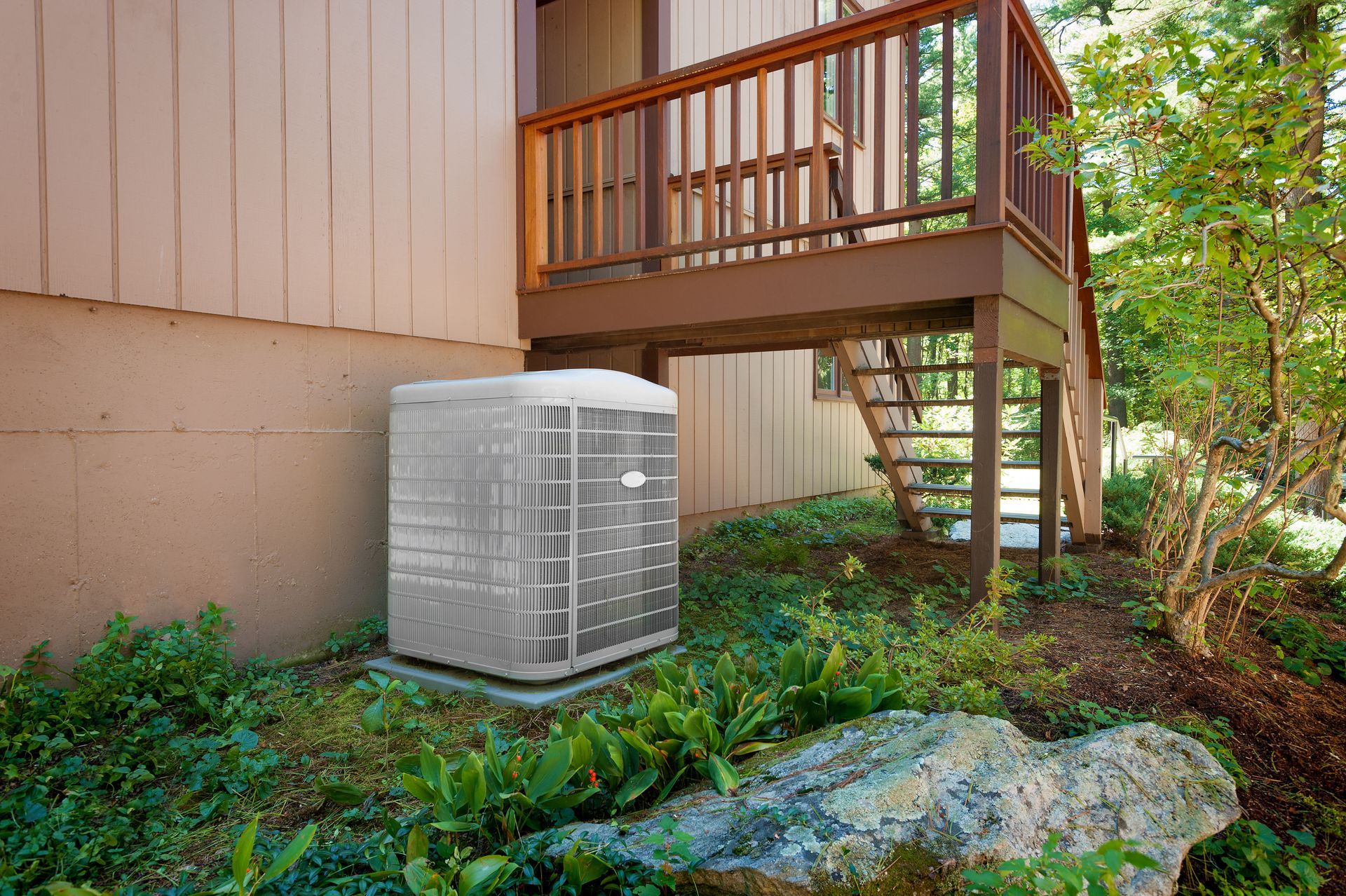
Your air conditioning system removes heat and humidity from indoor air to create a more comfortable environment. A central air conditioner typically relies on an outdoor condenser, indoor evaporator coil, refrigerant, blower, and ductwork to distribute cooled air throughout the home. As a new homeowner, you should learn where the indoor and outdoor equipment is located, identify the air filter, and determine how to access the thermostat and other basic controls.
Air conditioner capacity is commonly measured in tons, which refers to cooling capacity rather than the physical weight of the equipment. According to This Old House, a one-ton air conditioner has cooling capacity comparable to one ton of ice. This measurement helps HVAC professionals determine the appropriate system size for a home. An undersized system may struggle to maintain comfortable temperatures, while an oversized unit can cycle too frequently and may not remove humidity effectively.
Learn Your System's Maintenance Needs
One of the easiest ways to care for your air conditioner is to keep its filter clean and replace it according to the manufacturer's recommendations. A dirty filter can restrict airflow and make the system work harder. You should also keep the outdoor condenser free of leaves, grass, branches, and other debris that could interfere with airflow. Avoid placing items directly against the unit and make sure the surrounding area remains reasonably clear.
Professional maintenance is also important. An HVAC contractor can inspect components that homeowners generally cannot evaluate themselves, including electrical connections, coils, condensate drainage, airflow, and other mechanical parts. If you recently purchased your home and do not know when the system was last serviced, scheduling an inspection can establish a useful baseline. It can also reveal developing concerns before they result in an unexpected breakdown.
Recognizing Problems Before They Escalate
Watch for Changes in Cooling Performance
Changes in your home's cooling performance can be an early indication that something is wrong. If certain rooms remain warm while others are comfortable, the problem could involve airflow, ductwork, the thermostat, or the air conditioning equipment itself. An air conditioner that runs for unusually long periods without reaching the desired temperature also deserves attention.
Other warning signs include frequent cycling, weak airflow, unusual odors, and unexplained increases in energy costs. Utility bills naturally change based on weather and household usage, but a sudden increase without an obvious explanation may indicate that the system is working inefficiently. When these symptoms appear, prompt air conditioner repair can help identify the underlying problem before it causes a complete system failure.
Know When Your System Needs Professional Attention
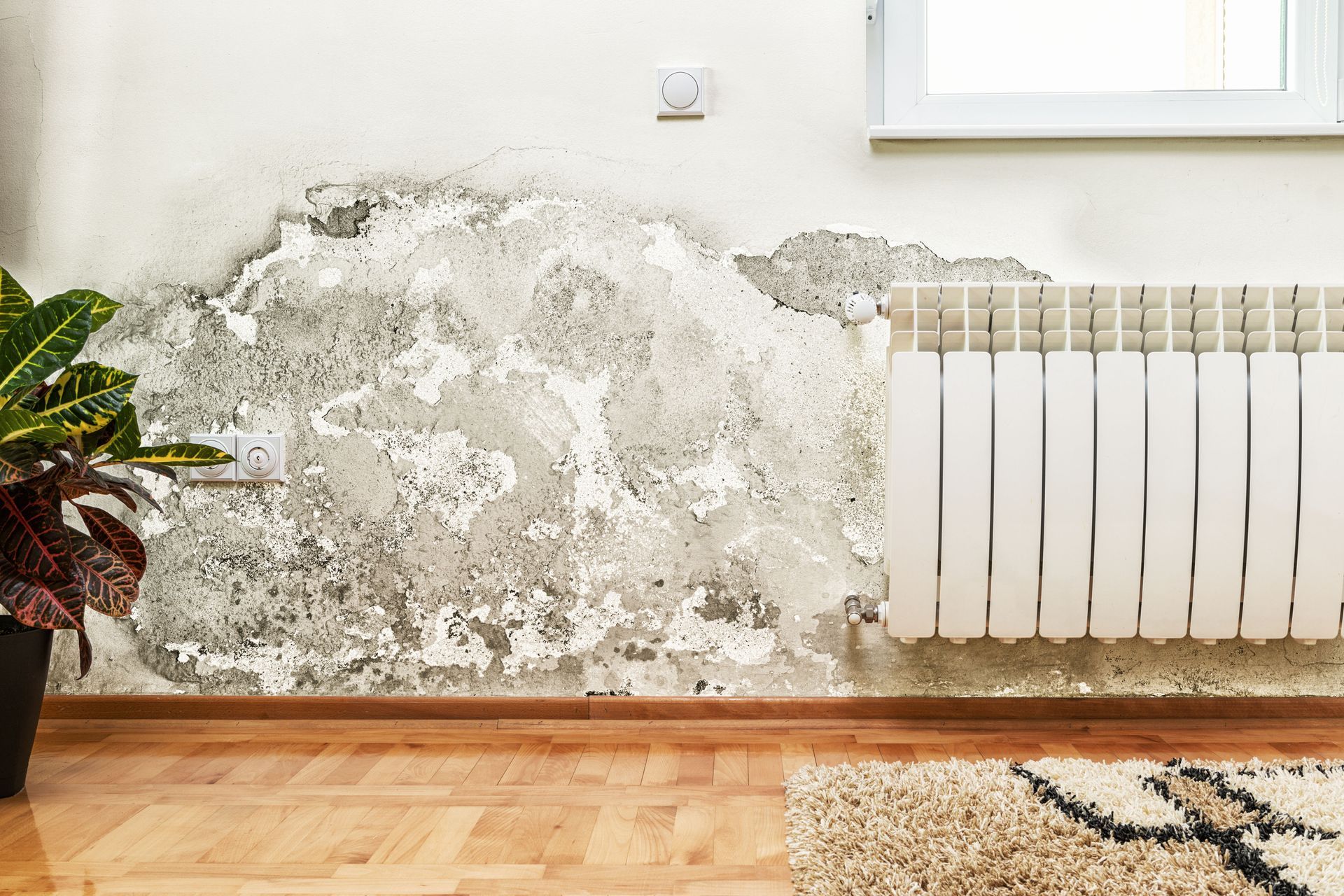
Some air conditioning problems require professional diagnosis and repair. Refrigerant issues, electrical failures, damaged components, and mechanical problems should not be addressed through trial and error. Water around the indoor equipment can also indicate a condensate drainage problem that deserves attention, particularly if the moisture is reaching walls, flooring, or other parts of the home.
Unusual sounds are another reason to contact an HVAC contractor. Rattling, grinding, buzzing, or screeching can indicate that a component is loose, damaged, or malfunctioning. If your system stops producing cool air, professional air conditioner repair may be necessary to determine whether the problem involves the thermostat, electrical system, blower, refrigerant circuit, or another component. Addressing the issue promptly may also give you more options than waiting until the equipment fails.
Understand When Replacement May Make Sense
Repair is not always the most practical solution. The age of your equipment, frequency of breakdowns, repair costs, overall performance, and availability of replacement components can all influence whether repair or replacement makes more sense. A relatively newer system with an isolated problem may be a good candidate for repair, while an aging system with recurring failures may warrant a conversation about replacement.
New homeowners should not assume that every malfunction requires a new air conditioner. In many situations, air conditioner repair can correct a specific problem and extend the useful service life of existing equipment. However, repeatedly repairing an aging system can become expensive. Ask your contractor to explain the cause of the problem, the recommended repair, and whether other components show signs of deterioration. This information can help you make a decision based on the condition of the entire system rather than a single malfunction.
Making Air Conditioning Ownership Easier
Keep Important System Information Accessible
After moving into a home, gather as much information about the air conditioning equipment as possible. Look for the manufacturer's name, model number, serial number, installation date, and warranty information. Keep manuals and service records in an accessible location. This information can be useful when ordering replacement filters, scheduling service, investigating warranty coverage, or discussing potential repairs with a contractor.
You should also determine whether your home has a conventional central system, mini-splits, or another type of cooling equipment. Different systems have different maintenance and service requirements. If your home includes an addition or you are planning a renovation, consult an HVAC professional before making significant changes. Altering the layout of a home can affect airflow and cooling requirements, so it is helpful to consider the air conditioning system as part of the overall project.
Use Your System Responsibly
The way you operate your air conditioner can influence its performance and workload. Avoid repeatedly making drastic thermostat changes in an attempt to cool your home more quickly. Instead, choose a reasonable temperature and allow the system to operate normally. Keeping doors and windows closed while the air conditioner is running can also prevent conditioned air from escaping and reduce unnecessary cooling demand.
You should also avoid ignoring minor changes simply because the system still produces cool air. A small issue can become more disruptive when a component continues operating under abnormal conditions. If you notice unusual noises, leaks, inconsistent temperatures, or repeated cycling, scheduling air conditioner repair can help determine whether a specific component needs attention. Early service may also help prevent an inconvenient breakdown during a period of extreme heat.
Establish a Relationship With a Qualified Contractor
Having a qualified HVAC contractor available when your system needs professional attention can make homeownership easier. Look for a company that is properly licensed and insured, works with your type of equipment, provides clear service estimates, and offers appropriate warranties. It is also helpful to choose a contractor capable of working with different makes and models, particularly if you are unfamiliar with the equipment installed in your new home.
A professional contractor can assist with routine maintenance, troubleshooting, repairs, installations, and ductless systems. When you need air conditioner repair, having an established service provider can make it easier to arrange an inspection and understand your options. Maintaining records of completed work can also give you and future technicians a clearer picture of the system's history and condition.
Becoming familiar with your air conditioning system is an important part of settling into a new home. You do not need to become an HVAC expert, but knowing where your equipment is located, how to maintain the filter, and which warning signs deserve attention can help you manage your responsibilities as a homeowner. Routine maintenance and timely professional service can also help keep small concerns from becoming larger problems.
If your air conditioner is not cooling properly, making unusual sounds, leaking, cycling frequently, or showing other signs of trouble, do not wait for a complete breakdown. Contact Soderlin Plumbing, Heating & Air Conditioning for an inspection and professional air conditioner repair to help restore reliable cooling and comfort to your home.
Share On: